
Marijuana powerhouse Cookies risks ‘insolvency’ after judgment
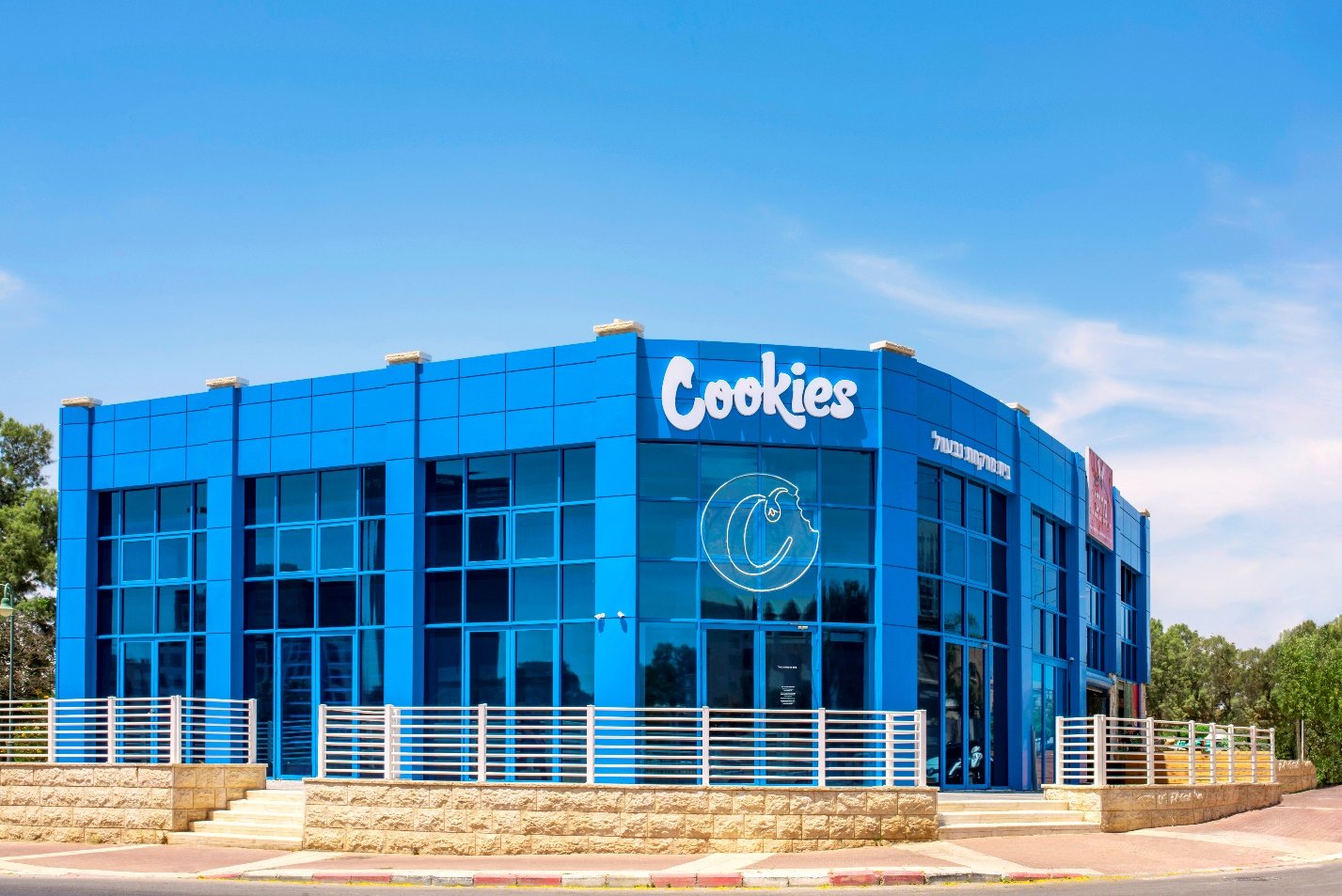
The Cookies empire appears on the brink of collapse after a San Francisco judge earlier this month ordered the national cannabis’s main revenue source diverted to settle a $8.4 million judgement, court records show.
Royalties from Cookies-licensed, third-party owned stores in Canada, Israel and Thailand as well as the United States – the lifeblood of the “asset-light” marijuana branding powerhouse Forbes once estimated was worth $250 million – must instead be paid to the company’s erstwhile partner on a failed San Francisco marijuana store, Superior Court Judge Dennis Hayashi ordered Nov. 13.
The result is “leaving Cookies without operating revenues,” Cookies’ attorney, Robert Finkle, claimed in earlier court filings.
It’s the latest serious headache for the San Francisc0-based brand, still one of cannabis’ most prominent. A Cookies-branded store in Oakland closed last year.
Meanwhile, Cookies is trying with less success to collect a serious judgment of its own – from another erstwhile retail partner.
‘Immediate insolvency event’
In an earlier court filing, Finkle claimed that an order forcing Cookies to “divert 100% of such payments” would “result in an immediate insolvency event.”
True to his warning, the situation likely spells a “death knell” for the brand, once one of the country’s most prominent, said Chris Wood, a cannabis attorney at Wykowski & Wood and adjunct professor at the University of California San Francisco School of Law.
By nature of its structure – reliant on income from branding agreements with third parties rather than physical assets – “Cookies is just a little more vulnerable,” Wood said.
“It’s easy to say, ‘Don’t pay them. Pay me instead.’”
But that might prove difficult if the brand is damaged.
“With Cookies, really, the only asset is the brand,” he said. And the judgment itself might lead Cookies’ licensing partners to argue that the brand’s value is diminished.
From the cover of Forbes to debtor’s arrangement
It’s the latest twist of fate for Cookies, which Forbes once valued at $250 million in an 2022 feature story, the first to feature a cannabis magnate on the cover of the business magazine.
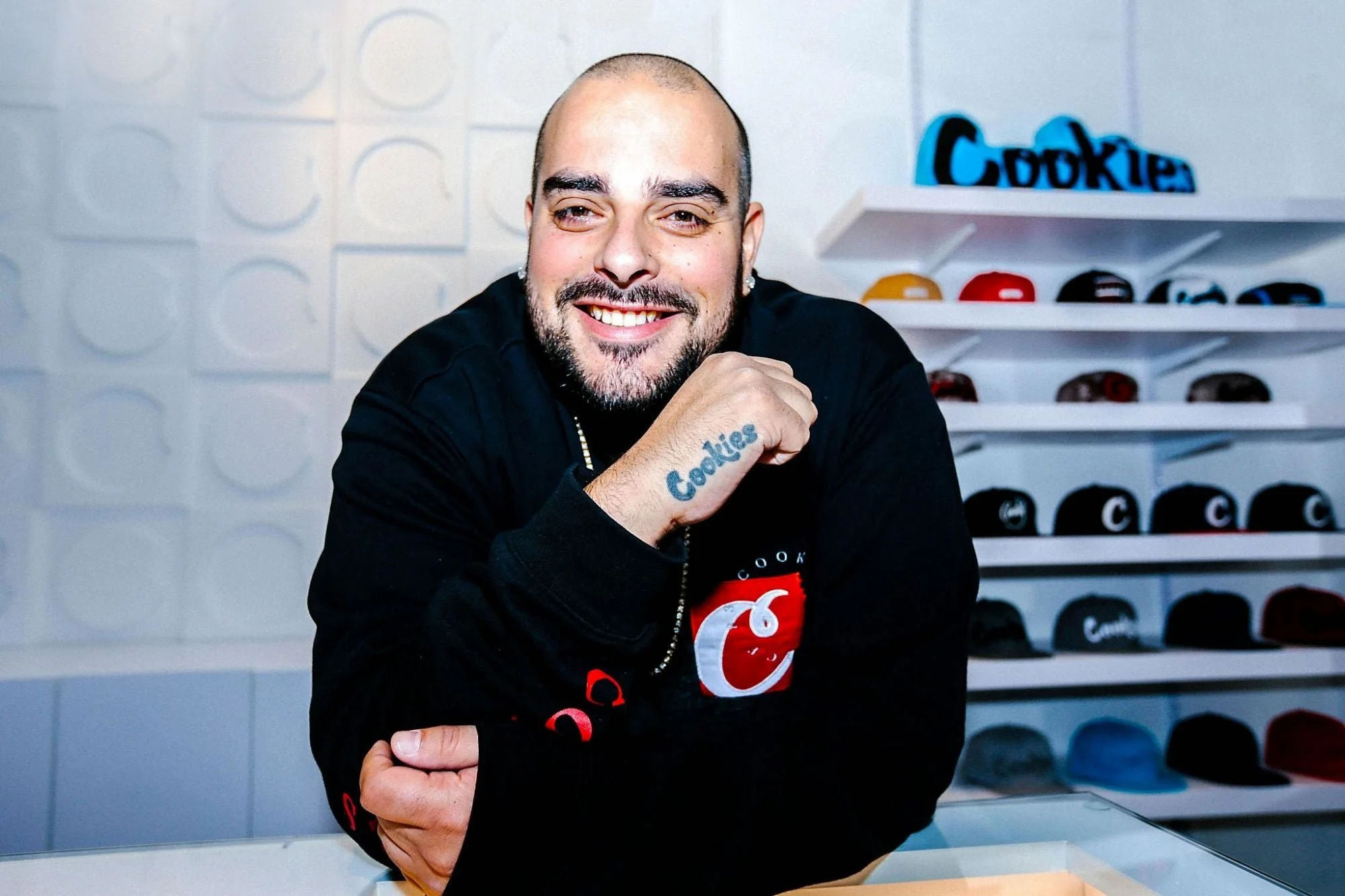
And it stems from a clause in the licensing agreement Cookies inked with Cole Ashbury – a cannabis social equity store operated by San Francisco City Hall power players – shortly before Berner’s on Haight opened to large crowds in the city’s Haight Ashbury neighborhood in 2019.
Both Cookies and Cole Ashbury had the right to force the other party to buy it out. In Cole Ashbury’s case, it negotiated a “put option” that required Cookies to buy the store for a flat $10 million, a valuation based on cannabis’ then-optimistic outlook.
In May 2023, well after cannabis valuations plummeted from an early 2021 peak, Cole Ashbury triggered the option.
Efforts to convince a judge to undo the deal in arbitration failed.
In June, a second judge upheld an $8.3 million award that included attorney’s fees.
Cookies still profitable, filing claims
In heavily redacted September court filings, Dalton, Cole Ashbury’s attorney, cites other documents obtained in discovery that prove Cookies is “profitable.”
Without specifics, the filing claims Cookies engages in “lavish spending” and “directs significant funds towards” corporate officers, including Berling and Milam as well as Lesjai Chang, the prominent cannabis breeder credited with developing the brand’s famous strains.
That’s money that should satisfy his clients’ judgment, Dalton argued.
The situation leaves Cookies few options – and at Cole Ashbury’s mercy, Wood said.
Even cannabis companies that aren’t plant-touching are unlikely to be able to file for federal bankruptcy protections.