Trump Administration Live Updates: President Orders Cannabis Rules Relaxed, Easing Research

President Trump signed an executive order on Thursday to downgrade cannabis from the most restrictive category of drugs, easing research and other restrictions but falling short of legalizing marijuana.
The move also authorizes a pilot program to reimburse Medicare patients for products made with CBD, a popular compound of cannabis that is not psychoactive.
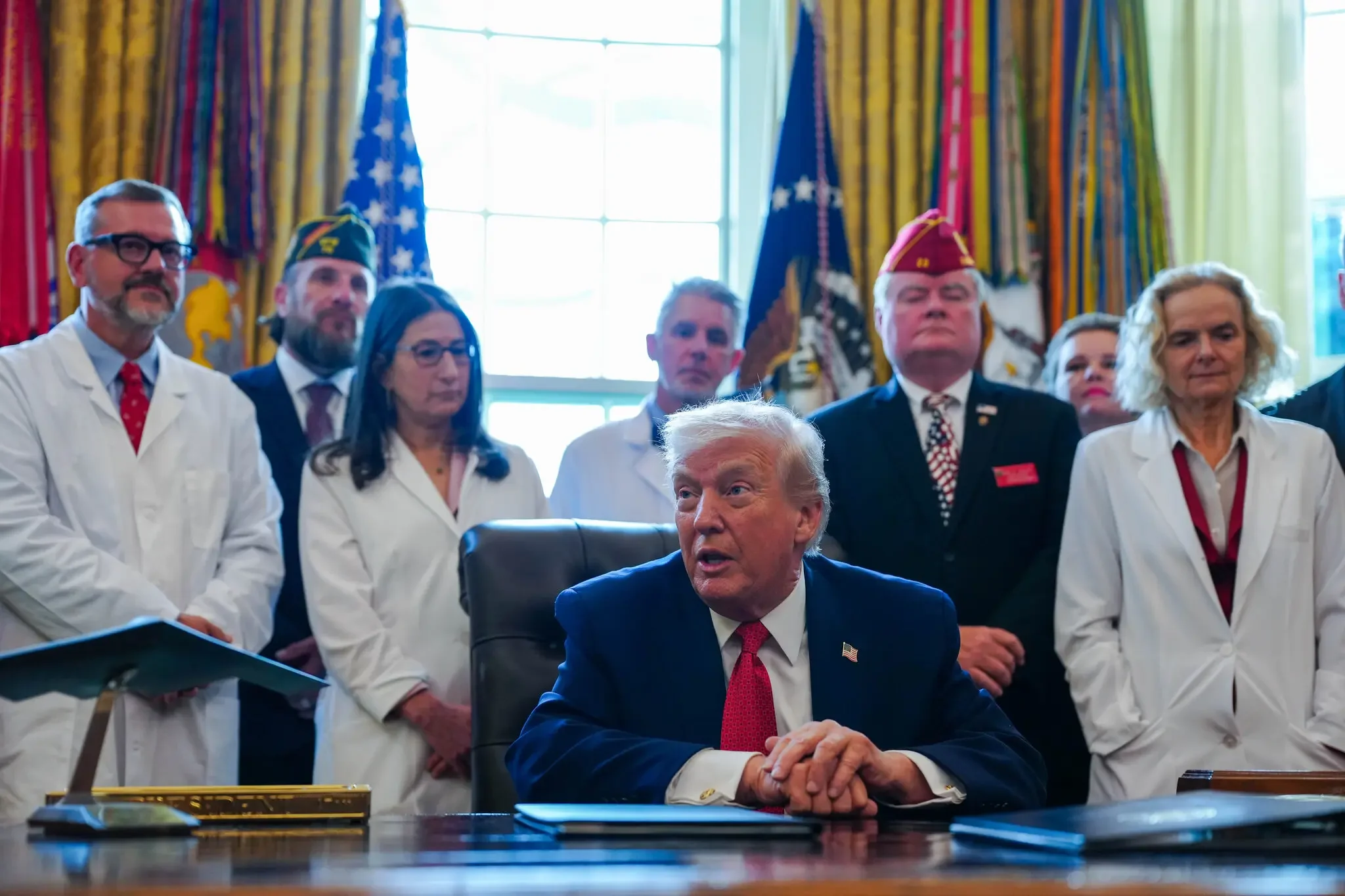
Mr. Trump’s order would move marijuana from a Schedule I drug, the same category as heroin, to a schedule III drug, the same category as ketamine. But it does not legalize the drug, as some states have done, and would not affect law enforcement’s approach to making arrests connected to marijuana, according to senior administration officials who spoke on condition of anonymity to describe the order.
Marijuana’s classification as one of the most dangerous and habit-forming substances has long drawn criticism, and re-categorizing the drug is an acknowledgment by the federal government that cannabis has some medicinal value and lower potential for abuse.
Mr. Trump’s order follows steps taken by the Biden administration to reclassify the drug, signaling a shift from both Republican and Democratic administrations in how the federal government views the substance.
But there is opposition to Mr. Trump’s move. Eighteen G.O.P. senators and 26 House Republicans recently wrote letters to the president opposing the reclassification. CatholicVote, a conservative nonprofit group, has also lobbied the president against the change.
“In light of the documented dangers of marijuana, facilitating the growth of the marijuana industry is at odds with growing our economy and encouraging healthy lifestyles for Americans,” the senators wrote. “We urge you to continue your strong leadership of our country and our economy, and to turn away from marijuana rescheduling.”
Earlier this week, the president said the move would allow for more research to be done with cannabis.
“Because a lot of people want to see it, the reclassification, because it leads to tremendous amounts of research that can’t be done unless you reclassify. So we are looking at that very strongly,” the president said on Monday.
The Biden-era effort to reschedule cannabis has been grinding forward since 2022. In October of that year, President Joseph R. Biden Jr. asked the Department of Health and Human Services and the Drug Enforcement Administration to review how marijuana was scheduled.
Nearly a year later, H.H.S. issued a recommendation that marijuana be moved to Schedule III based on a scientific evaluation that found that cannabis had potential medical benefits and could be classified alongside substances like testosterone and ketamine.
Since then, the process to officially change the classification has been mired in a rule-making process at the D.E.A.
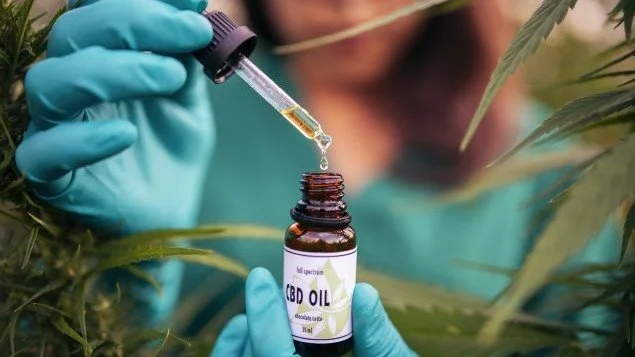
Mr. Trump is also expected to announce plans on Thursday for the Centers for Medicare and Medicaid Services to launch a program next year that would involve paying for cannabidiol, or CBD, treatments, including for cancer patients.
Among those in favor of reclassifying the drug was Howard Kessler, a billionaire financier and longtime Trump ally, who pushed for the Medicare proposal.
“President Trump’s executive order has unleashed a seismic shift in health care—one of the boldest breakthroughs in generations,” Mr. Kessler, a leukemia survivor and founder of The Commonwealth Project, said in a statement. “While the rescheduling of cannabis will dominate the headlines, it’s his revolutionary pilot Medicare program that brings immediate, life-altering relief and access to cannabinoid-based therapies for millions of seniors grappling with chronic pain and debilitating conditions.”
Dr. Kevin Hill, a psychiatry professor at Harvard Medical School, said that rescheduling cannabis made sense and would “make cannabis research easier by removing some key hurdles.”
But he said the primary barrier to research was not the drug’s Schedule I status; it was the lack of available funding for research.
“Rescheduling should provide an opportunity for research on a larger scale, but it will be important for stakeholders like states and companies currently profiting from cannabis sales to contribute more to the research than they have thus far,” Dr. Hill said.