Five Years In: What New York Cannabis Got Wrong—and What’s Finally Going Right
Five years after New York created the Office of Cannabis Management (OCM), the state’s legal cannabis industry is still finding its footing.
When New York created the OCM, it felt like the state had a chance to rewrite the cannabis playbook and address many of the harms created by the War on Drugs. With lessons learned from markets like Colorado and California, the hope was that New York could build an adult-use system that worked differently.
From where we sit today, the reality proved more complicated. The last five years were defined by urgency, growing pains, and real setbacks—but also resilience, learning, and a cannabis community that refuses to give up on the vision that brought us here.
Opening Under Pressure
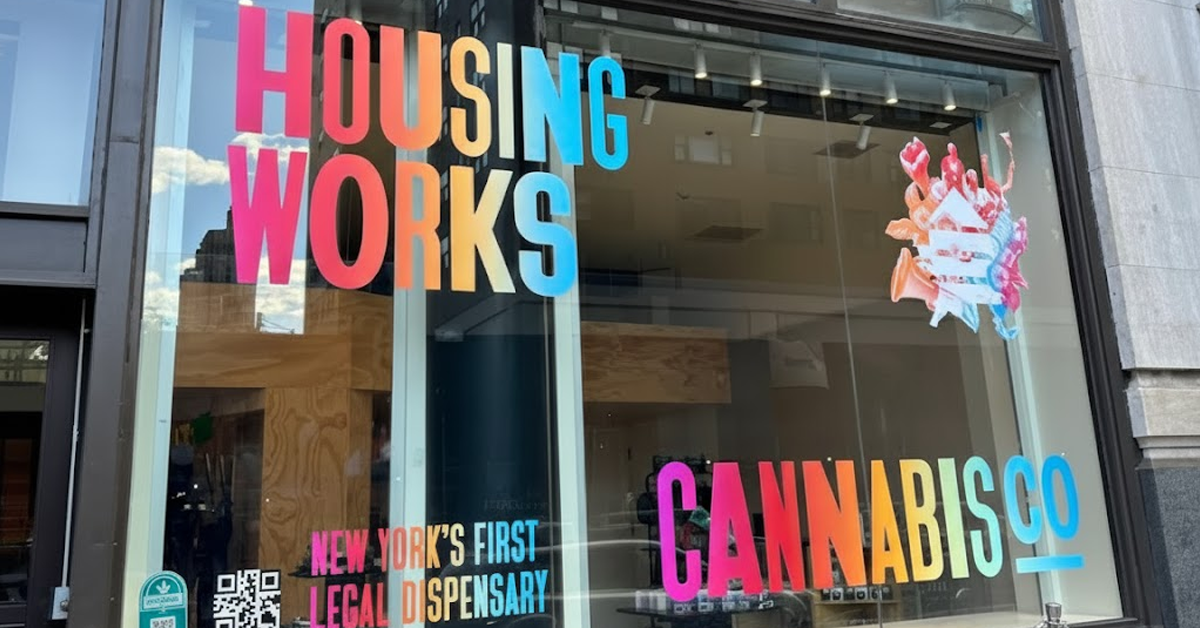
Housing Works Cannabis Co.—the state’s first licensed adult-use dispensary—opened at the end of 2022. To launch before 2023, the team had only one month to hire staff, learn new regulations, and build a compliant operation. It was a historic but chaotic moment. Behind the scenes, systems were being built in real-time. Many social equity operators had to navigate these dense, vague regulations alone, without the help of consultants or legal teams.
The Struggles No One Likes to Admit
The road remains rough. Despite over $2.5 billion in sales, profit margins are razor-thin. There are currently over 582 adult-use dispensaries in the state, creating steep competition.
Staffing & Compliance: Maintaining staff is a constant challenge, and compliance feels like a moving target. The rollout of the mandatory "METRC" track-and-trace system last year happened during the busy holiday season with aggressive deadlines, causing severe financial strain for smaller businesses.
Equity Gaps: The original social equity vision has struggled. While multistate operators (MSOs) have entered the market, many small equity license holders faced delays that left them carrying millions in debt for stores they weren't yet allowed to open.
What’s Actually Improved
Despite the setbacks, there has been progress:
Communication: While not perfect, the OCM is more responsive. Questions that used to take months to answer now often see a response within a week.
Brand Maturity: Early on, the focus was simply getting any product on the shelf. Today, brands like Back Home Cannabis, Florist Farms, and Ayrloom are more sophisticated, offering better marketing and consumer engagement.
Looking Forward
Five years in, it is arguably easier to operate a licensed business now than at the start—not because the industry is "easy," but because there is more shared experience and community resilience. If the next five years prioritize local ownership over corporate MSO profits, New York still has a chance to become the gold-standard market it intended to be.