Massachusetts Governor Urges 'No' Vote on Cannabis Prohibition Measure
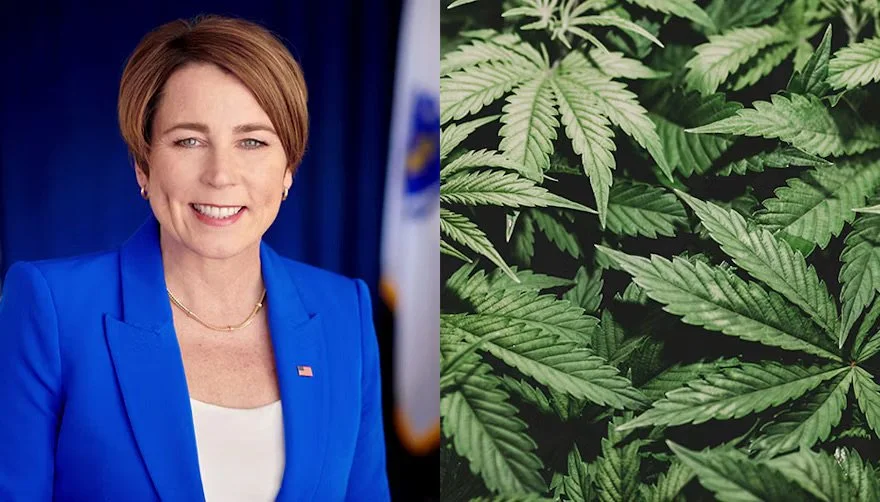
The top elected official in Massachusetts told her constituents on Sunday to vote against a Nov. 3, 2026, ballot measure that would repeal the state’s adult-use cannabis laws that voters approved nearly 10 years ago.
Democratic Gov. Maura Healey, who’s up for reelection, told Boston-based WCVB TV’s “On the Record” Oct. 4 that she plans to vote against the prohibitionist proposal and urged her fellow Bay Staters to do the same.
“I’d vote no,” Healey said. “We’ve got to keep recreational marijuana here in Massachusetts. It’s an important industry, the cannabis industry, and I hope the voters keep cannabis.”
Massachusetts was the first state east of Colorado to legalize adult-use cannabis in 2016. Since then, neighboring states Vermont, Maine, New York, Connecticut and Rhode Island have done the same.
Healy’s remarks come as she’s a 54%-38% favorite to win reelection over Republican nominee Michael Minogue, according to a Bay State Poll of likely voters, which the University of New Hampshire conducted Sept. 17-21.
That same poll found that 71% of Massachusetts voters plan to join the governor in opposing the anti-cannabis measure, while 24% plan to support it. The measure will appear as Question 8 on the statewide ballot.
Minogue also commented on Question 8 during his campaign trail, saying it’s “too late to repeal” the state’s legalization laws, the Union-Bulletin reported last week.
The Coalition for a Healthy Massachusetts Inc., the political committee behind the repeal measure, is primarily funded by the prohibitionist group Smart Approaches to Marijuana (SAM) Action Inc., which has contributed more than $3.2 million toward the campaign, according to finance disclosure reports.
While the prohibitionist ballot measure wouldn’t recriminalize adults 21 and older for possession up to 1 ounce of cannabis, the proposed statute would make possessing between 1 and 2 ounces a civil penalty. This would backtrack on legislation that Healey signed in April to double the state’s purchase and possession limits to 2 ounces.