Clean Label Cannabis: Returning to the Plant That Started It All
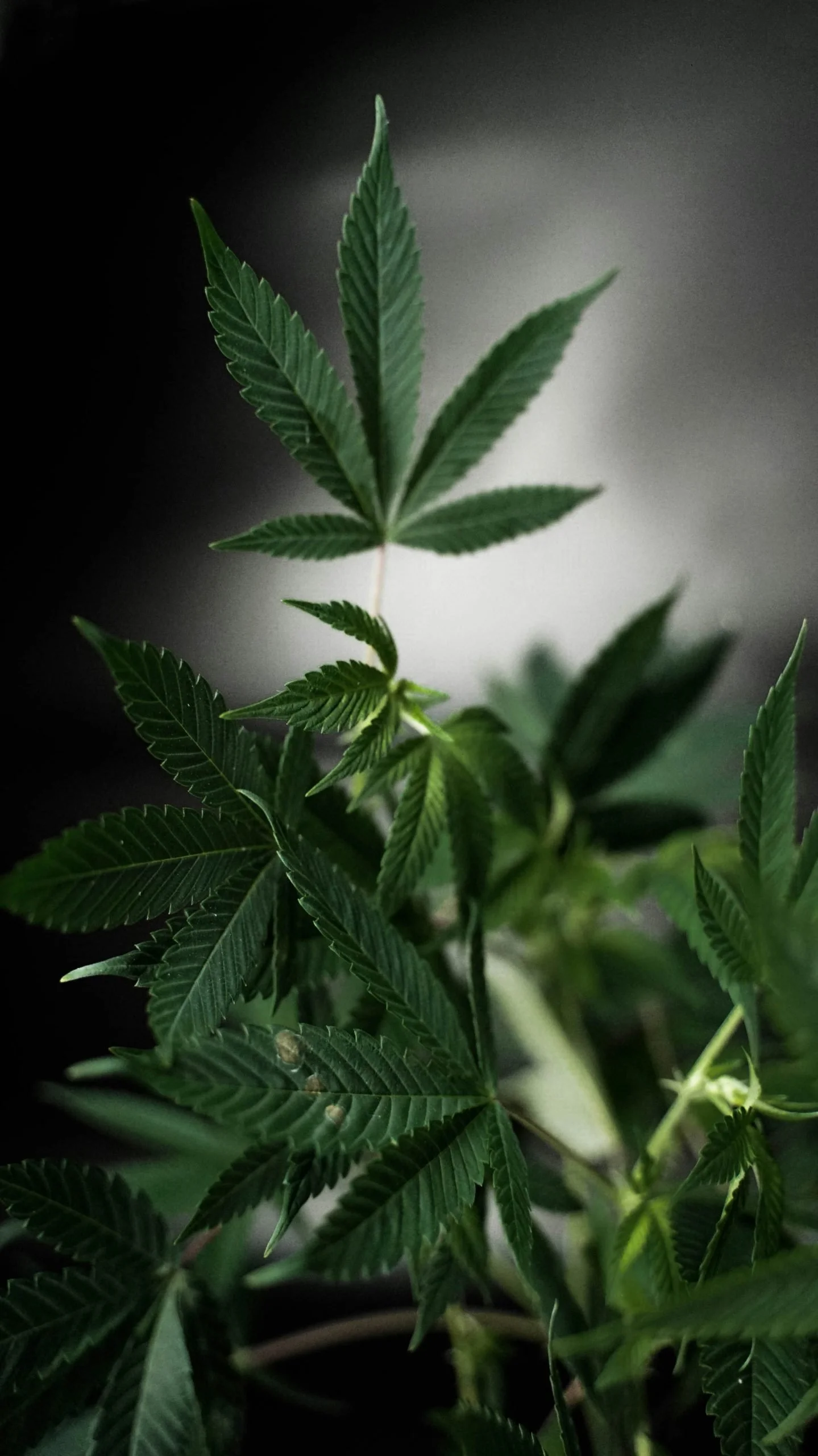
That might sound obvious, but if you walk into most dispensaries today, you might start to wonder if the industry remembers that.
Because the reality is that most cannabis consumers today are not actually getting products that resemble the whole plant. What they’re getting instead are products that look increasingly like the very thing many of us originally pushed back against: active pharmaceutical ingredients.
Distillates. Isolates. Reconstituted cannabinoids.
Yes, many of those compounds come from the plant originally. But they’re often stripped out, chemically manipulated, distilled, and rebuilt into something that resembles highly processed formulations more than it resembles the original plant.
This is exactly why the Clean Label Cannabis movement matters.
Clean label is a simple idea. If someone picks up a product, they should be able to read the label and immediately understand what they’re putting on or into their body. The ingredients should be recognizable. The processes should be transparent. And the plant itself should still be at the center of the medicine.
It sounds simple. But somewhere along the way, the industry drifted away from that.
When Cannabis Was Part of a Bigger Movement
When I started advocating for cannabis back in the late ’90s, legalization was only part of the conversation. Cannabis sat inside a much larger cultural movement. People were talking about sustainability. Cleaner food. Cleaner water. Cleaner air. There was a growing awareness that the systems around us, especially our food and healthcare systems, weren’t necessarily designed with our well-being in mind.
Cannabis represented something different. It represented autonomy. Plant medicine. A reconnection to nature.
It also represented a pushback against the excesses of late-stage capitalism, where everything becomes industrialized, optimized for profit, and disconnected from the natural systems it came from. Legalization was supposed to move us toward a greener, more conscious future.
And in many ways it did.
But in other ways, something strange happened once the industry went legal.
The Industry Chased Potency Instead of the Plant
Legalization brought investment. Investors brought scale. And scale brought industrial thinking.
Suddenly, cannabis companies started behaving a lot like pharmaceutical companies.
Rather than celebrating the complexity of the plant, the focus shifted toward isolating its most famous compounds. Distillate became king. Potency numbers became the marketing tool. And products were engineered for shelf life, scalability, and margins.
In many dispensaries today, the best-selling products are high-THC distillate cartridges and candy-like edibles that barely resemble cannabis at all.
Now, some of that mindset came from prohibition culture.
When cannabis was illegal, potency mattered because access was scarce. If you were risking jail time to buy something, you wanted the strongest version possible.
But legalization changed that. The real gift of legalization is abundance. Cannabis grows abundantly. We don’t need to squeeze every last molecule out of it. Instead, we should be asking a much simpler question: What is the most effective way to deliver relief using the plant?
The Testing Moment That Changed My Perspective
One experience really drove this home for me.
When I was running a compliant cannabis company in California, we had to follow extremely strict testing requirements. Cannabis products were tested for heavy metals, pesticides, residual solvents, and other contaminants in their final form.
At first, I thought the regulations were excessive. Why was cannabis being held to a higher standard than the food we buy in grocery stores?
Cannabis May Be the Cleanest Product on the Shelf
The irony is that cannabis has been forced into extremely high testing standards because of stigma.
And that stigma accidentally created an opportunity. When cannabis is grown responsibly and processed simply, it may actually be one of the cleanest consumer products available today.
Think about that.
For decades, we were told cannabis was dangerous.
Meanwhile, many of the foods sitting on grocery store shelves face far less rigorous testing than cannabis products. That contradiction shouldn’t be ignored. In fact, it should be celebrated. Cannabis now has the chance to lead a much bigger conversation about clean products.