Our Market's Not Fully Rolled Out': Delaware Retail Weed Sales Fall Far Short of Estimates
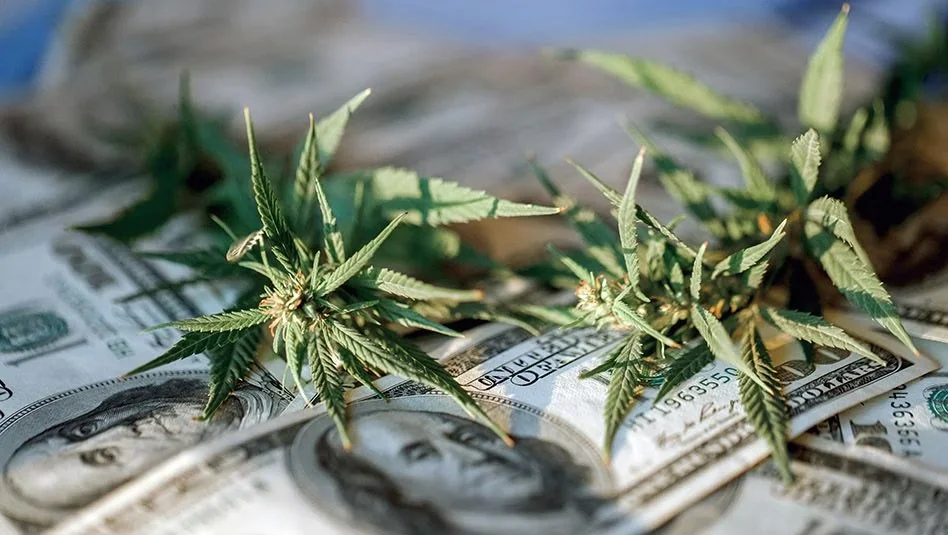
Delaware’s new recreational marijuana market is off to a much slower start than originally projected. In the seven months since the industry launched on August 1, 2025, stores have rung up $29.3 million in sales, generating approximately $4.4 million in tax revenue for the state based on a 15% levy.
These figures fall significantly short of the 2023 estimates provided by former Marijuana Commissioner Robert Coupe, who predicted $281 million in annual sales and $42 million in taxes. Currently, Delaware is averaging $4.2 million in retail sales per month—putting the state on pace for just $50 million in sales for its first full year.
Why is Delaware Trailing Its Neighbors?
A WHYY News analysis found that Delaware’s per-capita sales are being eclipsed by neighboring New Jersey and Maryland.
Maryland: With six times Delaware’s population, Maryland’s monthly sales average ($79.3 million) is 19 times higher.
New Jersey: With nine times the population, New Jersey's monthly average ($96.2 million) is 23 times higher.
Experts cite several reasons for the disparity:
Head Start: New Jersey and Maryland launched their markets in 2022 and 2023, respectively. During the two years Delaware spent setting up its framework, residents became accustomed to driving across state lines.
Pricing Competition: Zoë Patchell, president of the Delaware Cannabis Advocacy Network, noted that prices for identical products are often much lower in Maryland. For example, a 10-pack of "Betty's Eddies" gummies costs $22.40 (including tax) in Baltimore, while a 5-pack of the same brand costs $20.70 in Delaware.
Limited Supply: Current Marijuana Commissioner Josh Sanderlin explained that prices remain high because retailers must buy products grown and manufactured within Delaware, where supply is currently limited.
The Rollout Status
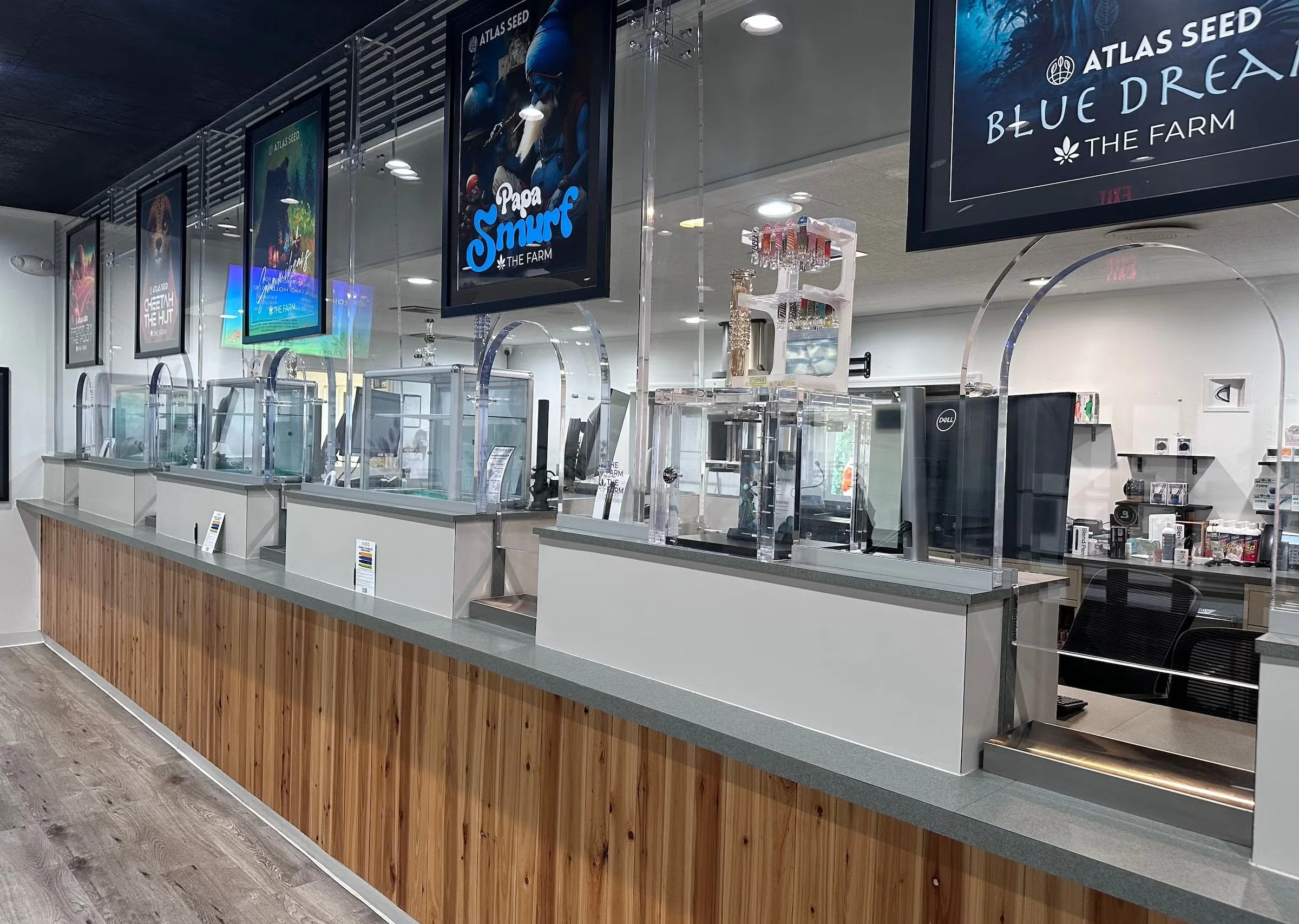
Recreational sales began at 13 existing medical marijuana dispensaries that paid $100,000 for "conversion licenses." While the state has granted 16 conditional licenses for retail-only stores, none have opened yet.
Cultivation & Manufacturing: 47 conditional cultivation licenses and 20 manufacturing licenses have been issued, but only three growers and one manufacturer are currently operational.
Zoning Obstacles: Many municipalities, including Middletown and most Sussex County beach towns, have banned cannabis businesses. State Rep. Ed Osienski noted that finding physical locations remains one of the biggest hurdles for new licensees.
Looking Ahead
Commissioner Sanderlin remains optimistic, noting that the market is "not fully rolled out" and that steady increases are being seen as more cultivators come online. He expects five of the 16 conditional retail-only shops to open by the end of June 2026.
Additionally, lawmakers are considering a bill to loosen county-level restrictions on cannabis businesses. While Governor Matt Meyer recently vetoed the measure, the Senate has already voted to override the veto, with action pending in the House.