The New Rules of Shopping for Cannabinoids
Why Cannabinoid Combinations Are Everywhere
A cannabinoid blend usually has an anchor and a supporting cast, but that anchor is not always CBD or THC. Some formulations begin with one of those familiar cannabinoids and add smaller amounts of rarer ones. Others put a rare cannabinoid in the headline position and use CBD or THC as supporting ingredients.
CBD does not produce a THC-style high by itself. THC changes the equation because it is impairing and mind-altering. That distinction matters more than how many cannabinoids appear on the label.
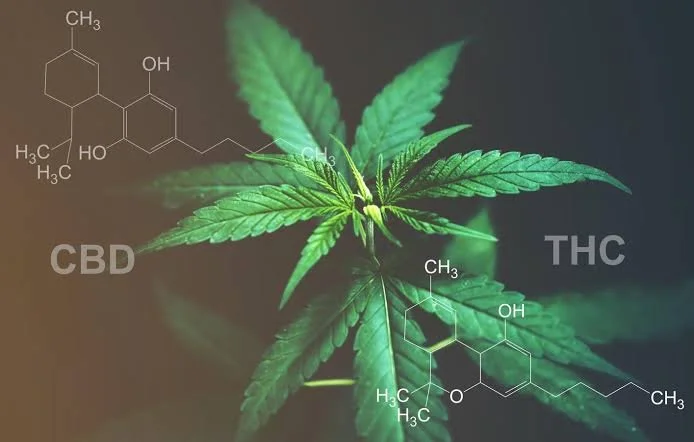
The rarer cannabinoids increasingly take center stage in product formulation. THCV commonly appears in daytime-positioned products, CBC in mood-focused blends, CBG in body-focused formulas, CBN in nighttime products, and CBDV in newer, less established lines.
Those categories describe how products are formulated and marketed. They are shorthand for a shopping aisle, not a promise about what any cannabinoid will do for a particular person.
When CBD Leads the Formula
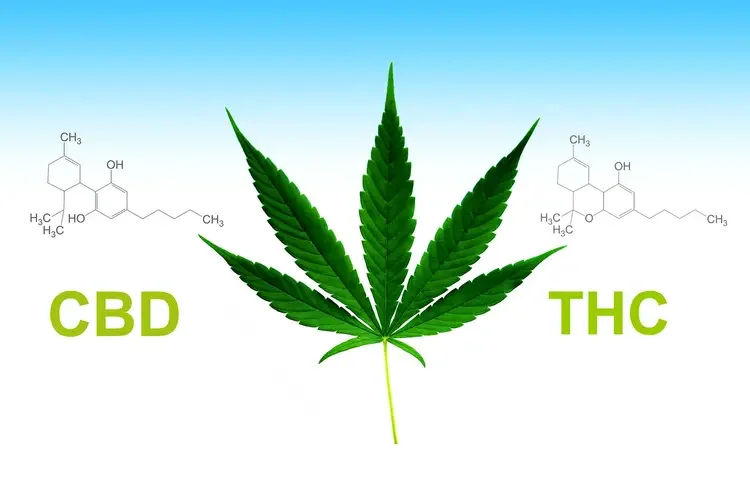
CBD is the most widely available cannabinoid on the shelf and the familiar starting point for consumers who want to avoid THC-style intoxication. It appears in more formats and more price tiers than anything else in this category, which is why it turns up as both a headline ingredient and a supporting.
How to Read the Formula Before You Buy
Start with the cannabinoid you are shopping for. If you are buying a THCV gummy, check how much THCV it actually contains per serving, not merely whether THCV appears somewhere on the label.
The same applies to CBG, CBC, CBN, CBDV, or any other cannabinoid featured on the front of the package. Next, look at the supporting cannabinoids. CBD and THC may be the primary ingredients in one formula and supporting ingredients in another.
Understanding the full profile tells you more than the headline ingredient alone.