What Growers Really Talk About When No One’s Watching

Most of the real lessons about growing cannabis never happen in public. They happen in grow rooms while someone points at a plant and says, “See that?”
They happen late at night after the lights shut off, when cultivators start talking about the mistakes that taught them the most.
The kind of knowledge that rarely makes it into strain descriptions, marketing copy, or product launches.
Spend enough time around growers, and something becomes obvious. The best cultivators do not talk about cannabis the same way the market does.
Consumers often focus on THC numbers or whatever strain is trending that week. Growers talk about smell, plant structure, genetics, and the thousands of small decisions that shape a harvest.
That knowledge still moves the way it always has, through conversations between people who have spent years learning the plant the hard way.
Instinct Over Numbers
The cannabis market loves numbers. Potency percentages, yield totals, lab reports. The louder the metric, the easier it is to sell. But talk to experienced growers, and those numbers quickly become secondary.
Titan of Square One Genetics says that shift in perspective comes with time.
“I’ve never really been a numbers guy. I always wanted to focus on quality. It took about four years before I stopped worrying about what everyone else was doing and just focused on improving my own work.”
For many cultivators, learning to trust instinct becomes part of the craft. The signals that a plant is special often appear long before any test results come back. Award-winning breeder GILF says one of the first clues is often smell. “The smell is what draws us as humans. When I go to the grocery store I smell the strawberries before I buy them.”
That kind of sensory judgment might sound simple, but it comes from experience. Growers spend years learning how a plant behaves through an entire cycle. They learn how it stacks, how it smells at different stages, and how subtle genetic differences reveal themselves over time.
For growers who approach the plant this way, numbers alone rarely tell the whole story.
The Lessons Growers Learn the Hard Way
Every experienced cultivator has a story about the grow that humbled them.
Sometimes those lessons come early. Sometimes they happen years in. But almost every grower agrees on one thing. You do not learn this plant without messing it up a few times. Titan remembers one run that forced him to rethink everything.
“Biggest one was my rock wool grow. I let it dry out too much and lost the whole run around day fourteen of flower.” Losing an entire crop is brutal, but it is also one of the fastest ways growers learn how sensitive the plant can be to its environment.
James Ziegler, known in the community as Chubbs, first turned to cannabis while searching for ways to help his son with epilepsy after traditional treatments stopped working. Like most growers, he learned the plant the hard way.
Passion Versus the Market
Legalization and commercialization have changed the cannabis industry in countless ways. Growers now operate in a world shaped by branding, hype strains, and potency-driven marketing. That shift has also changed who enters the space. Titan says that some of the newer faces in cultivation come from a very different background.
“There’s a lot of people growing now who don’t even smoke.”
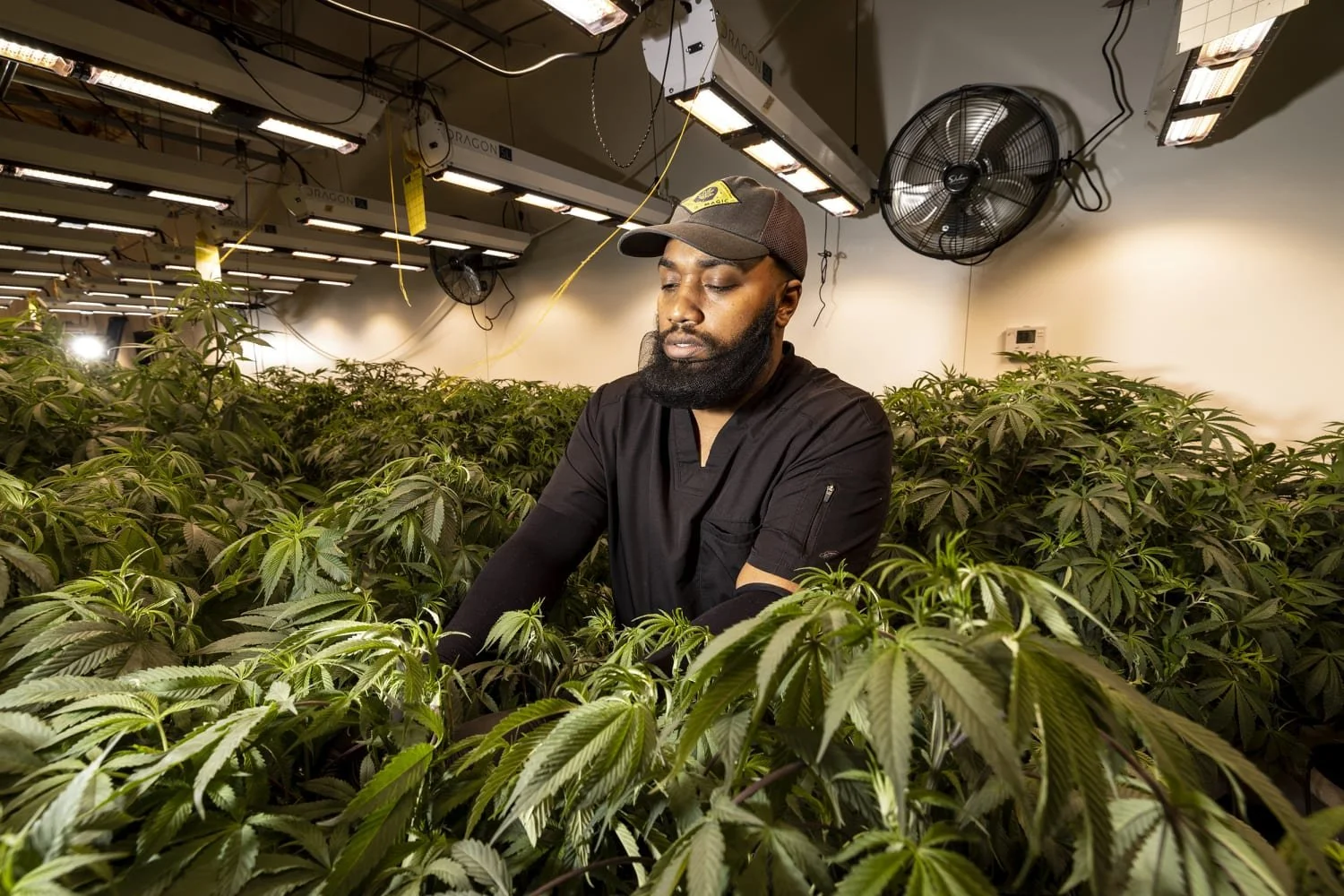
For longtime cultivators, that disconnect can feel strange. Cannabis cultivation has historically been driven by curiosity, experimentation, and a personal relationship with the plant. Chubbs says chasing hype genetics can sometimes pull growers away from that connection.
“When you’re growing hype strains, you’re growing it for the hype, not the passion.”
The Culture Behind the Plant
For all the technology surrounding cannabis cultivation today, grower culture still revolves around something simple.
Community. Growers share seeds, compare notes, and trade stories about the successes and failures that shaped their gardens. Those conversations often become the real classroom for people learning the craft.
Chubbs says that community is one of the most important parts of the culture. “If the community disappeared, it wouldn’t be the same.”
Because for many cultivators, the reward is not just the harvest itself.
It is the moment when someone tries something you grew and asks what strain it is. It is the exchange of ideas between growers who approach the plant with curiosity and respect. Those conversations are how knowledge continues to move through the culture.