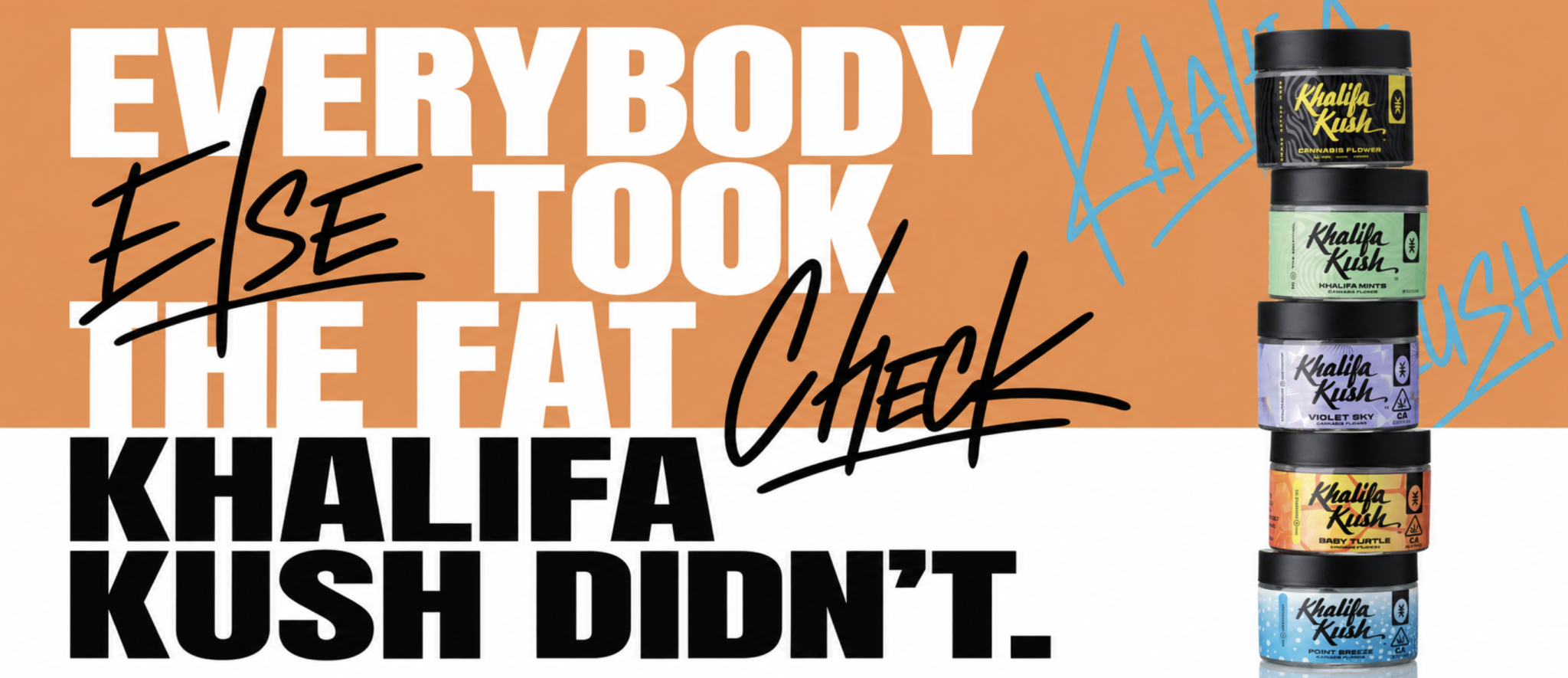
Ten years is a very long time in legal cannabis.

Long enough for entire business models to disappear. For billion-dollar valuations to collapse into distressed asset sales, emergency refinancing rounds, and lawsuits between former partners who once called each other visionaries on conference stages and podcast episodes. Long enough for celebrity cannabis brands to arrive with parties, giant headlines, and promises of global domination before quietly dissolving into licensing disputes, inconsistent flower, debt, and explanatory videos on YouTube.
Khalifa Kush survived it all. That alone makes the company unusual, and places it among a small set of cannabis brands that have earned real respect along the way. The fact that it did so while remaining relatively lean, privately controlled, and culturally coherent makes it even weirder in a good way.
The Canadian Lesson
The clearest illustration of what kind of company Khalifa Kush ended up being is the story that didn’t end up well.
Before Canada federally legalized adult-use cannabis in 2018, public market excitement around the sector had already become ferocious. Canadian cannabis firms were raising enormous amounts of capital while investors naively treated legalization as the opening stage of a global consumer industry. Khalifa Kush seized the opportunity and entered that environment through a high-profile partnership with Supreme Cannabis, a deal that at the time appeared transformative.
“It was super exciting when it happened because it was so much money,” Co-Founder & COO Tim Hunkele told High Times from Pittsburgh. “It was like, ‘Oh cool, we’re gonna be rich.'”
Instead, they got an unwanted lesson in cannabis regulation when the regulatory reality stuck and the Canadian state began picking winners. They got kicked to the curb when, according to Hunkele, Health Canada effectively blocked key parts of the arrangement almost immediately after the deal was signed. Predictably, soon enough counterfeit and infringing products using Wiz Khalifa’s name and image began appearing in the Canadian market anyway.
Wild West Beginnings
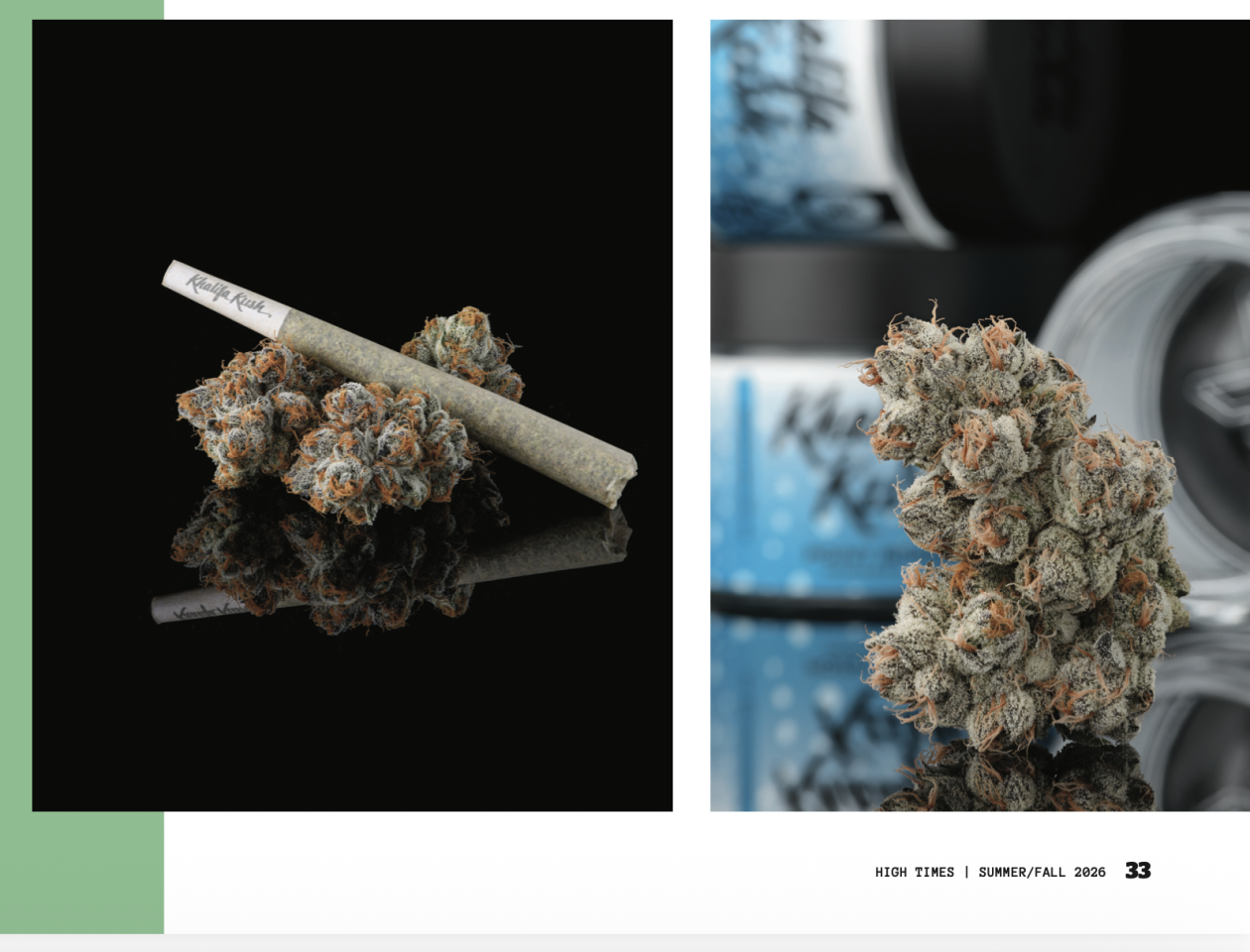
The company built around Wiz Khalifa’s personal strain emerged during one of the most unstable and incredible periods in modern cannabis history.
Colorado had only recently legalized adult-use sales, while California still operated through its sprawling quasi-legal medical system. Canada had not federally legalized yet. Investors were beginning to flood the sector, and the industry itself still functioned with the improvisational logic of a gray market trying to dress itself as corporate America — at a moment when corporate America itself was starting to look like a crypto-bro costume party.
“We started exploring it around 2013,” Hunkele said. “Back then it was super Wild West. You didn’t know who was real, who wasn’t real. But we knew who we were.”
The Celebrity Cannabis Graveyard
Part of that caution came from understanding something many cannabis companies learned too late about the incompatibilities of rapid monetization and long-term sustainability. Dozens got burned, plenty of them cashing fat checks on the way down. The cannabis boom years rewarded spectacle, and celebrity partnerships became one of the fastest ways to manufacture visibility inside a market that still lacked mature brands. For a while, nearly every famous rapper, musician, athlete or TV-show star with even the remotest relation to weed could easily earn a seat at a table. Most of them no longer exist in meaningful form in 2026.
Building While Everybody Else Expanded
That philosophy shaped the company’s expansion strategy. Rather than chasing direct ownership of cultivation licenses across every market, Khalifa Kush focused on building long-term operational partnerships with established cannabis operators capable of executing the brand properly.
KK built extensive internal quality metrics around that problem: THC percentages, terpene levels, trim quality, nug structure, shelf-life standards, and packaging oversight. The company even took direct control over manufacturing its own packaging to maintain consistency across state markets where regulations often conflict with one another. You’ll find details about the growing operations in Nicolás Rodríguez’s article in the same print issue.
Saul argues that cannabis consumers have become increasingly sophisticated about these differences.
“We all wish we lived in a world where you could just trust whatever was in the jar,” he said. “Which is why we put so much focus on consistency.”