THE RISE OF DESSERT STRAINS IN MODERN WEED CULTURE
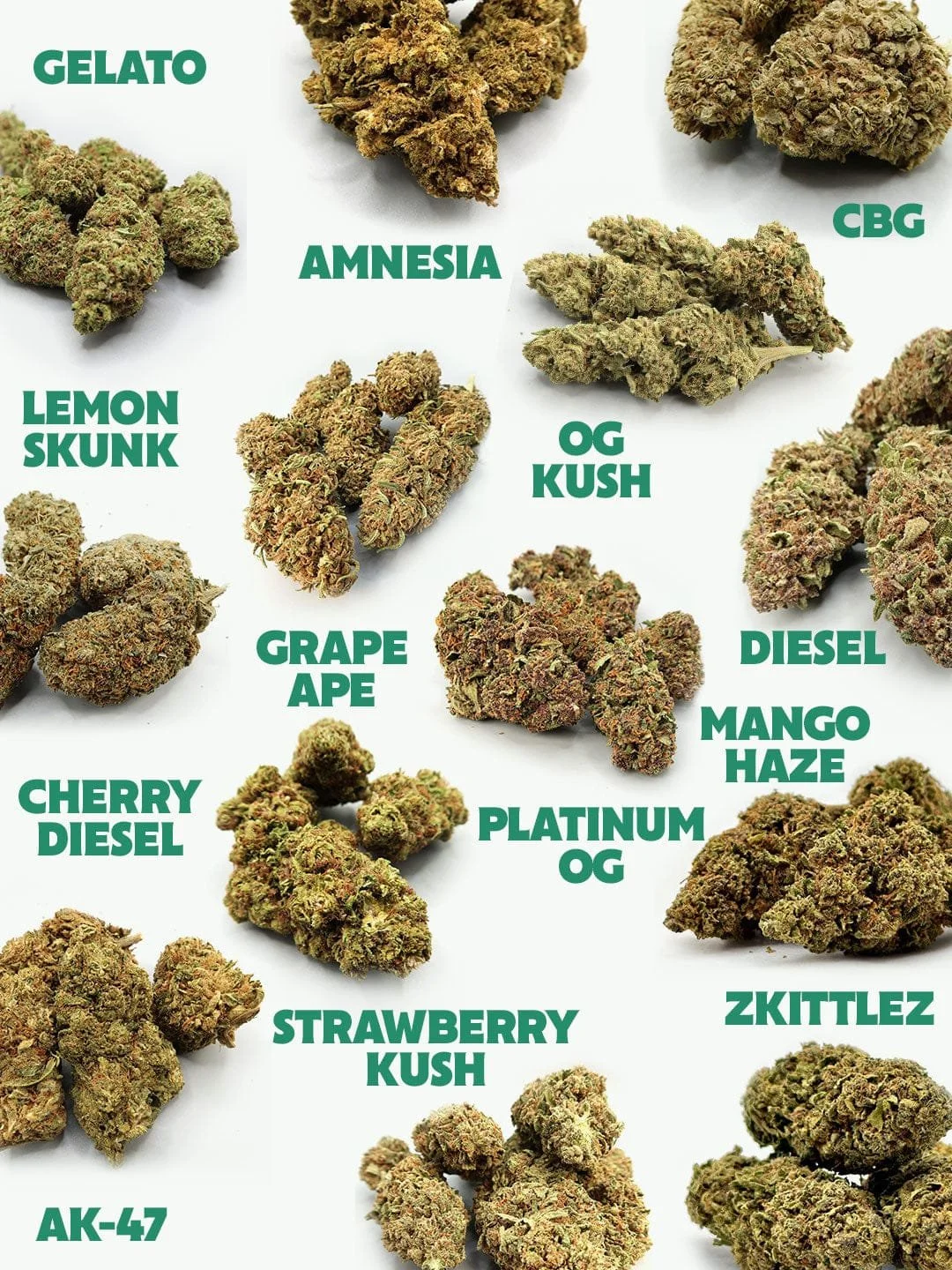
Dessert-inspired names combine familiar food references with cannabis aroma, flavor, and branding. A 2024 study published in JAMA Network Open analyzed 501,012 U.S. cannabis product listings collected from Weedmaps between September and November 2023. Researchers found that 42.03% included at least one flavor reference, with lemon, cake, and strawberry the most common.
Walk through a cannabis market in Los Angeles, Denver, or another established legal market, and the names can sometimes sound more like a dessert menu than a plant catalog. Gelato, Cake, Cookies, Cherry, and Cream have all become familiar terms within modern cannabis culture.
So, why has the language of desserts become so closely connected with cannabis?
The study covered multiple product categories, not only flower or strain names. It did not measure growth in dessert-inspired strain names or changes in consumer preferences.
That finding helps put the dessert trend into perspective. These names are not simply a passing novelty. They reflect how the cannabis market has developed a much more detailed vocabulary around sensory characteristics.
Flavor Became Part of the Cannabis Conversation
Cannabis was once discussed mainly in terms of potency, origin, or broad strain categories. Today, the conversation is much more specific. Consumers often pay attention to citrus, berry, cream, spice, floral notes, and other characteristics when describing a particular variety.
In that sense, cannabis culture has adopted some of the language long used for coffee, wine, chocolate, and specialty foods. Flavor and aroma have become important parts of how consumers distinguish between varieties and talk about their experiences.
The growing interest in terpene profiles has also made these sensory differences easier to discuss. Different varieties can have noticeably different aromatic characteristics, which helps explain why flavor has become such an important part of modern cannabis culture. That does not mean a flavor name guarantees a particular chemical profile. Instead, it shows why aroma and flavor have become such meaningful parts of the way modern cannabis varieties are described.
Why Dessert Names Are So Memorable
A dessert reference is immediately understandable. Someone does not need to know much about cannabis genetics to have an idea of what words such as cherry, lemon, cake, or gelato are trying to communicate.

These names can therefore make complicated product information easier to approach. They provide a familiar reference point while giving each variety a distinctive identity.
Several things make the naming trend particularly effective:
Familiarity: Food references are easy for most people to recognize.
Sensory association: They suggest a flavor or aroma without requiring technical terminology.
Memorability: A distinctive name is easier to remember than a long genetic designation.
Cultural appeal: Dessert-inspired names fit naturally into the increasingly lifestyle-oriented side of cannabis culture.
Of course, a memorable name should not be confused with a laboratory description. The name provides context, not proof of a specific chemical profile.
The Connection to Cannabis Genetics
The popularity of dessert-inspired varieties also reflects a growing interest in genetics. Consumers and enthusiasts increasingly want to know where particular varieties came from and why they may have distinctive characteristics.
Commercial strain guides offer context on how sellers describe cannabis varieties. For example, Sigma Seeds Australia’s Lemon Cherry Gelato strain guide discusses reported lineage and sensory characteristics. Sigma Seeds Australia sells cannabis seeds; its guide is a commercial source, not independent scientific verification of those characteristics.
Looking at that information alongside broader research can help readers understand how genetic lineage, sensory descriptions, and cannabis culture intersect.
The important point is that genetics describe potential rather than guaranteeing an identical result every time. A plant’s eventual cannabinoid and terpene profile can also be affected by growing conditions, processing, storage, and other factors.