Cannabis advocates: Why Virginia cannabis retail must wait for Virginia cannabis supply
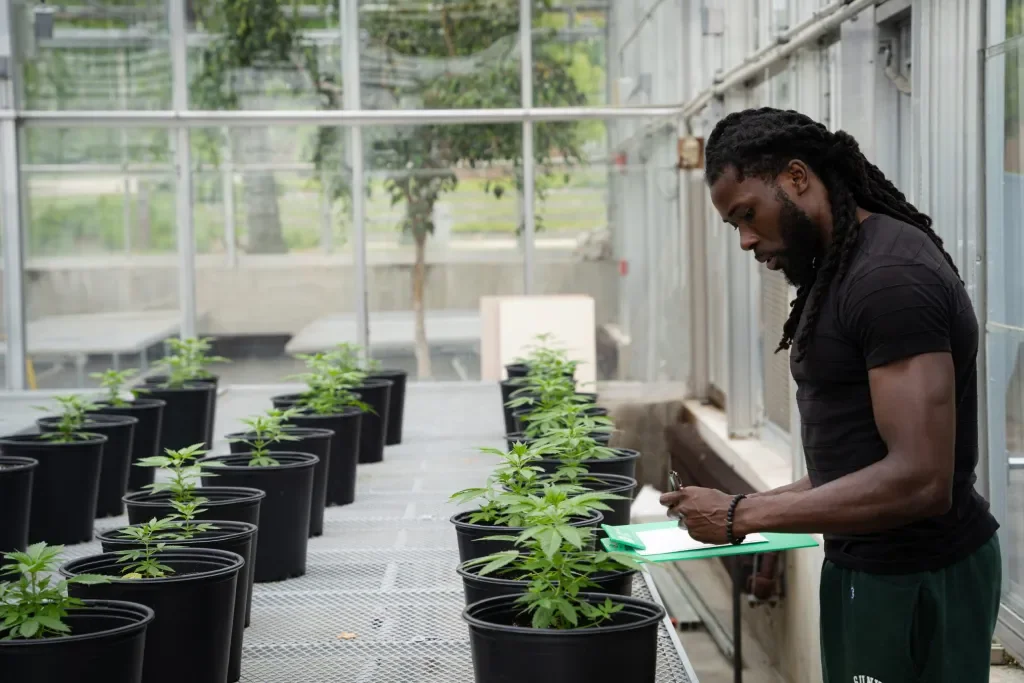
It takes six months to turn a cannabis clone into a tested, packaged product on a dispensary shelf. The bill on Gov. Spanberger’s desk sets January 1, 2027, as the first day of adult-use sales. New cultivators will need to get approved, build a facility and complete that entire biological process on a timeline that realistically requires two years. The math does not work, and when states ignore this math, the results are not theoretical. They are documented.
The General Assembly passed a bill that launches retail before Virginia-grown supply exists on dispensary shelves. This does not eliminate the illicit market; it invites it in. Through a phenomenon called inversion, illicit products enter the legal supply chain because legal supply does not exist to meet legal demand.
New Jersey just demonstrated exactly how this works.
What happens when states ignore the supply clock
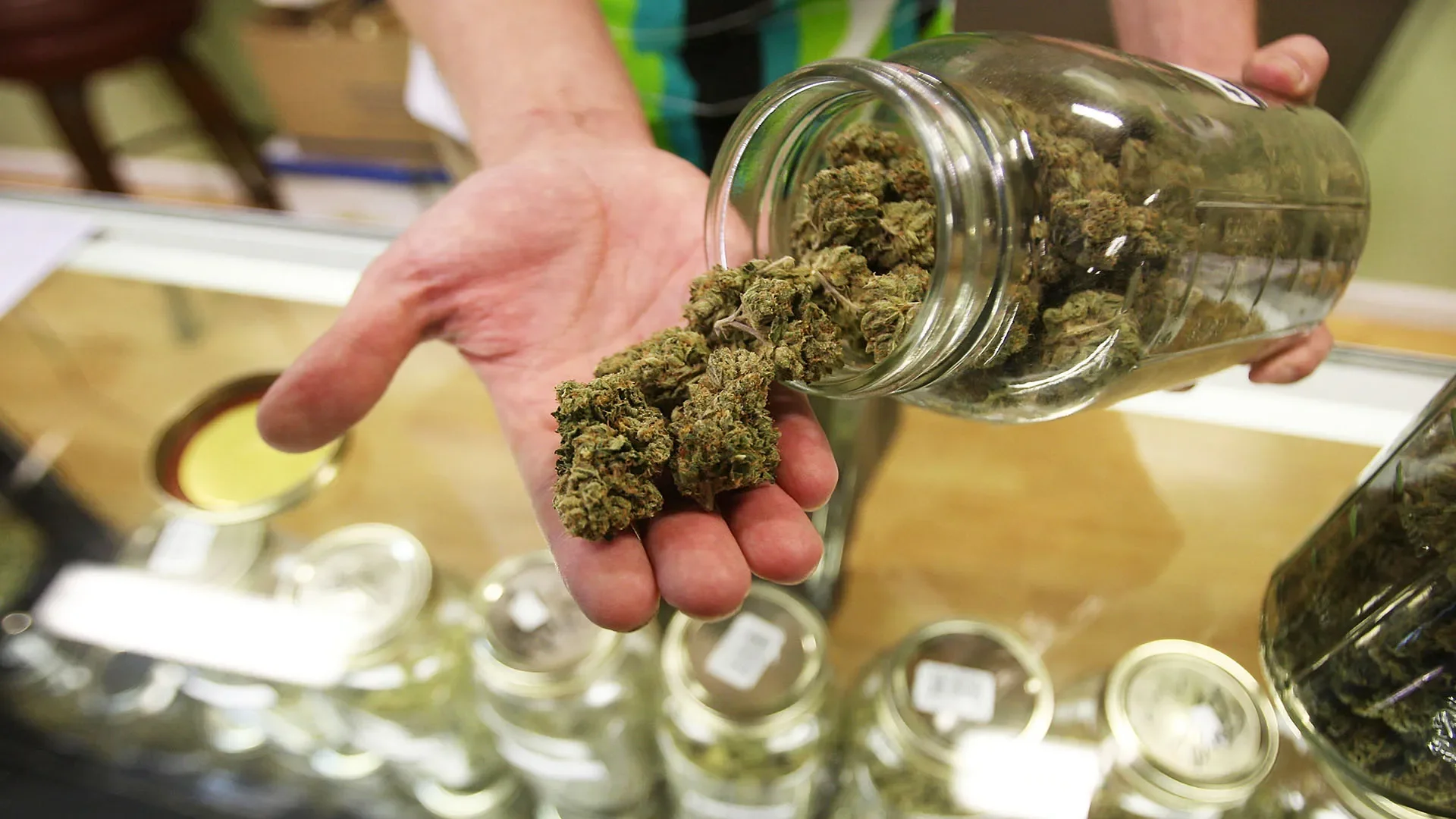
In March 2026, New Jersey’s Cannabis Regulatory Commission suspended the cultivation and manufacturing licenses of Jersey Strong/Mollitiam after a routine inspection revealed the company was growing cannabis at a secret, unlicensed outdoor site and moving it into its licensed facility. The acting executive director told the commission that “everyone was deceived.” Multiple companies across the state had already purchased Mollitiam’s material and manufactured distillate from it. By the time regulators caught it, illicit products had contaminated finished goods across New Jersey’s legal supply chain.
This was not a rogue actor exploiting a healthy market. This was a predictable outcome of a market that launched retail sales nearly four years ago and still cannot produce enough legal supply to fill its own shelves. New Jersey has issued 552 cultivation licenses since its April 2022 adult-use launch. Forty-six are operational. That is 8.3% — almost four years in.
When legal demand exceeds legal supply, basic economics fills the gap. Licensed businesses facing empty shelves and rent payments do not close their doors. They source products wherever they can find them. New York experienced the same dynamic where licensed businesses were caught with illicit, out-of-state products.
This is not an enforcement failure. It is a sequencing failure. The states built the storefront before they built the supply chain.
The timeline reality
Building a legal cannabis supply chain is not like opening a liquor store. Virginia cannot import cannabis from other states. Every product on a dispensary shelf must be grown, tested and tracked within the commonwealth.
A licensed cultivation facility requires 12 to 18 months to build before a single seed enters the ground. Site design, environmental permits and regulatory approvals consume 3 to 6 months. Construction, specialized HVAC, electrical infrastructure for commercial grow lights and environmental controls can take another 6 to 12 months. Then, systems must be commissioned and calibrated before cultivation begins. All of this assumes compliant real estate has already been secured and no equipment delays materialize, problems that have plagued cannabis buildouts in every state.
The arguments for speed do not hold up
“We need tax revenue now.” Tax revenue from a market contaminated by inversion is illusory. New York and New Jersey have collected taxes while simultaneously funding enforcement actions against the retailers generating them and now against the cultivators supplying them. Stable revenue requires a stable market. A stable market requires time to build a diversified grower base.
“Delaying retail helps the illicit market.” The opposite is true. Opening retail without supply creates the conditions that pull the illicit market into licensed stores. That is what inversion is. New Jersey’s 8.4% cultivator activation rate did not keep illicit products out. It guaranteed illegal products got in.
Ready together
Virginia should adopt a Ready Together framework that ties retail authorization to demonstrate supply readiness, not an arbitrary calendar date.
This is not a delay. It is a launch sequence. It prevents the geographic concentration and supply starvation that produced inversion in New Jersey and New York. It protects Virginia’s medical patients from a supply crisis that Illinois documented in its first week and New Jersey documented with $360,000 in fines against operators, two of whom hold Virginia pharmaceutical processor permits, for violating medical patient protections during their own adult-use launch. And it aligns every incentive correctly: processors who want to convert have every reason to support the independent licensing process, not obstruct it.