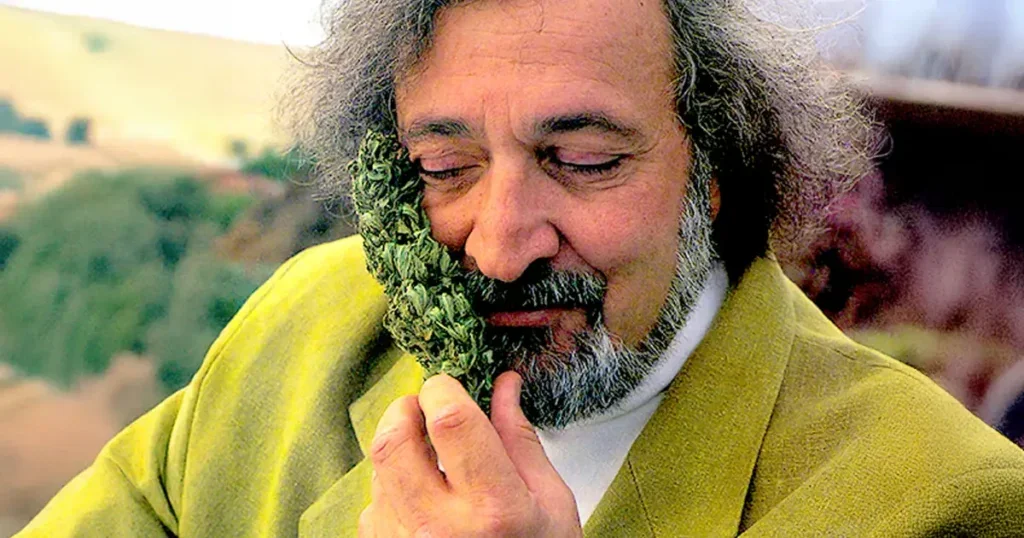
Jack Herer’s name is everywhere in cannabis. It’s on jars, dispensary menus, and countless strain lists. But somewhere between legalization and the race to build the next billion-dollar weed company, the name of one of cannabis prohibition’s fiercest opponents became something else entirely: a product.
His son, Dan Herer, has spent years trying to protect what that name represents. Now he’s bringing the family brand to New York, partnering with longtime cannabis operator Dave Vroubel to introduce Jack Herer genetics to a market that’s still figuring out what kind of industry it wants to become.
The move feels personal. Jack was born in Brooklyn, and Dan sees New York as an opportunity to reconnect his father’s history with a new generation of consumers. But getting here wasn’t as simple as finding somebody willing to write a check.
Bringing Jack Back to His Brooklyn Roots
“Hot market or not, it’s really about my father being born here in Brooklyn,” Dan tells High Times.
Jack grew up in Buffalo before the family established itself in California in 1967. That connection made New York a natural destination, but Dan wasn’t interested in rushing into the market simply because recreational sales were taking off.
New York’s limited cultivation infrastructure, coupled with the financial pressure facing growers, made traditional licensing difficult. For a company built around genetics and brand partnerships, convincing an operator to surrender another piece of its margins required patience.
“We had to wait and develop relationships and find the right partner to start bringing our genetics in and actually producing them for the market here,” Dan explains.
He wanted relationships with farms, retailers, and communities that understood what the Herer name carried.
Not Every Jack Is Jack
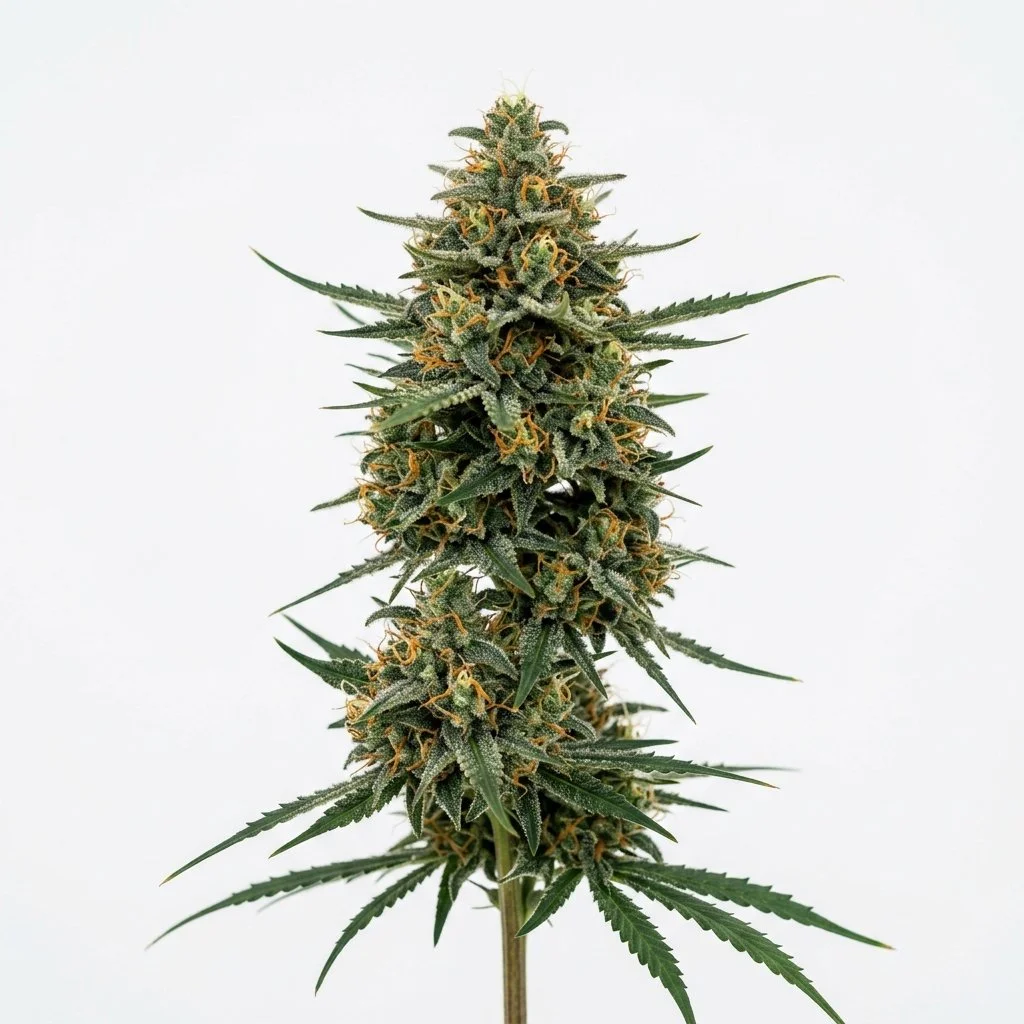
Few cannabis names have traveled as far as Jack Herer. The strain became a fixture of cannabis culture, but Dan argues that name recognition has also created confusion about authenticity.
Dan sees the distinction as fundamental. “We look at it as if it doesn’t have our signature, if it doesn’t have my father’s touch on the product spiritually at this point, but if it doesn’t have what it would have meant to him, then it’s just not Jack.”
The New York partnership includes 11 Herer-associated genetics, according to Dan, with selections such as Emperor’s Cut, Skyline Sensei, and Third Eye Kind. Each is intended to establish an identity beyond the flagship strain. The packaging carries that same thinking. Dan describes incorporating historical cannabis imagery and symbols meant to spark curiosity about the plant’s history.
For him, the challenge is giving consumers something worth understanding after the purchase.
The Generation That Knows the Strain but Not the Man
I asked Dan about the growing number of younger cannabis consumers who recognize Jack Herer as a strain before recognizing him as an activist. Dan didn’t see younger consumers’ unfamiliarity with his father as a failure on their part.
“That’s not to discount youth as being uninterested, just uninformed.”
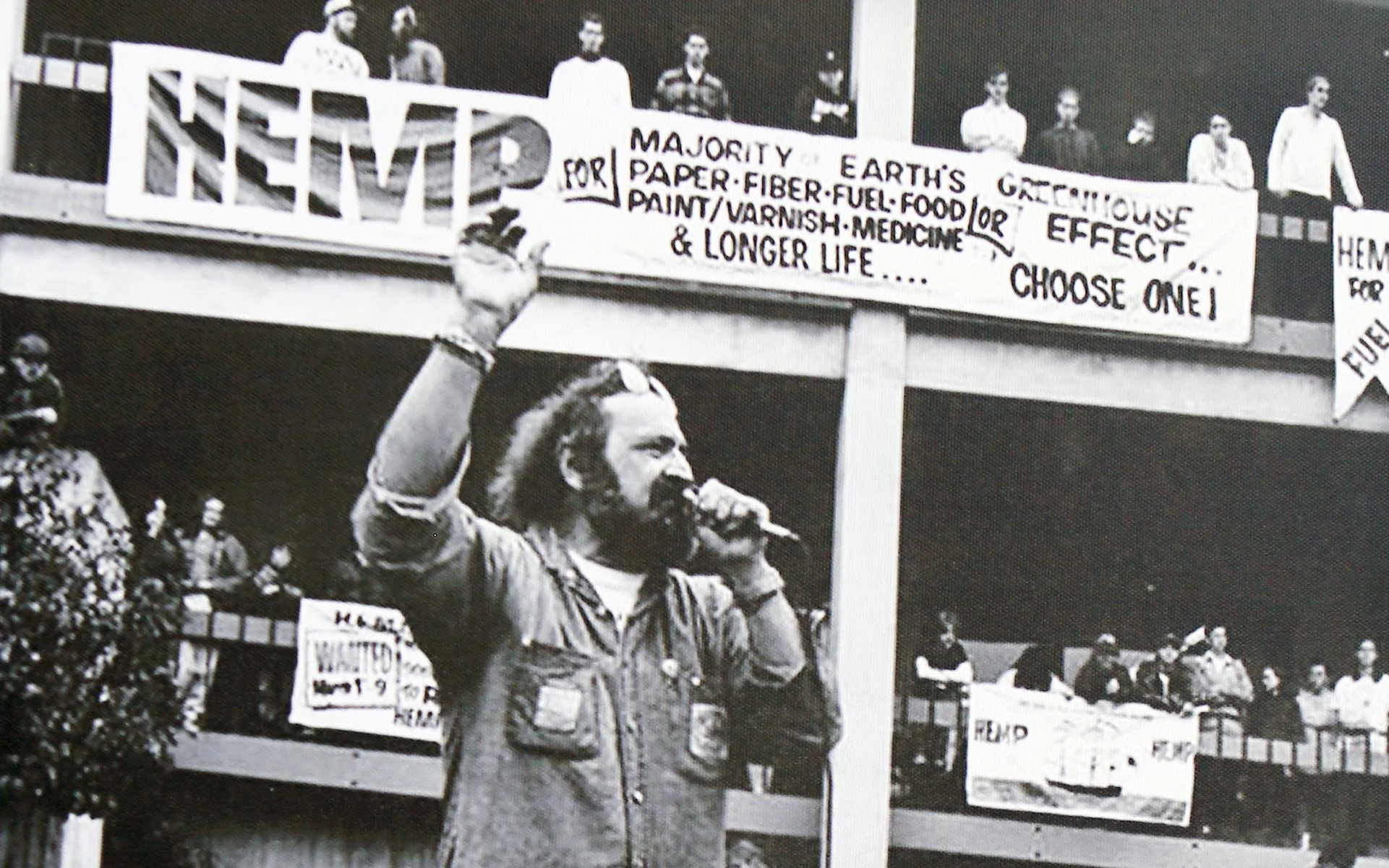
He believes discovering the person behind the name can change how someone understands cannabis. Jack’s work connected the plant to civil liberties, prohibition, industrial hemp, and the broader fight for reform. For Dan, preserving that history is one of the brand’s most important responsibilities.
There’s a tension here that reaches across the industry. Legal cannabis businesses depend on younger consumers, yet many of those consumers entered the market after the movement’s defining battles had already been fought. The people who organized rallies, published underground literature, challenged prohibition, and risked arrest can become little more than names attached to products.