Maryland Cannabis Administration Plans Market Study on Schedule III, 280E Relief, Interstate Marijuana Trade and More
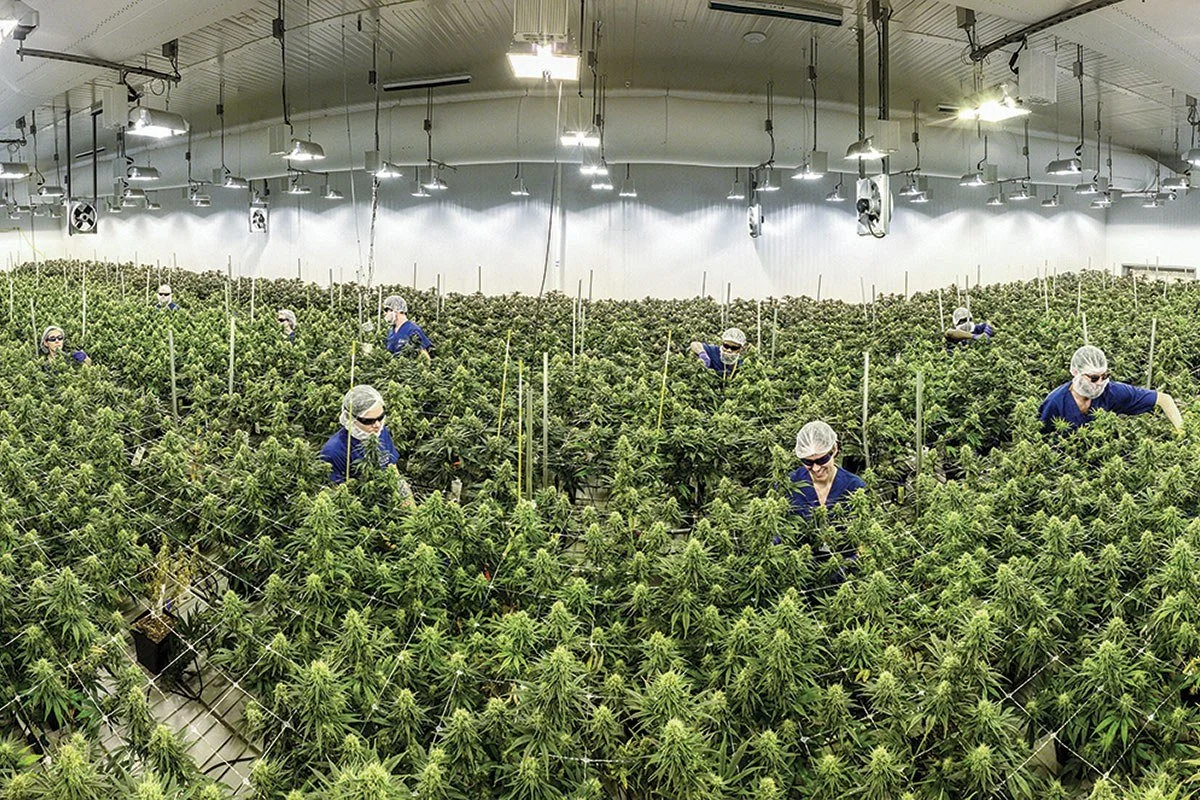
The Maryland Cannabis Administration is preparing a sweeping new analysis of the state’s marijuana market that will model how federal Schedule III changes could affect 280E taxes, regulatory costs, medical marijuana demand, cultivation expansion and the state’s readiness for potential interstate commerce.
The requirements are detailed in procurement documents issued by the administration for its 2026 Canopy Demand Report Analysis and Market Modeling project. The resulting analysis will help guide licensing and policy decisions and support a report due to the Maryland General Assembly by December 31.
Under Maryland law, the administration is required to assess whether the state’s marijuana supply is adequate to meet demand. This year’s project goes considerably further, directing the contractor to build forecasts covering the next 12 to 24 months while specifically examining the effects of changes in federal marijuana policy.
One component calls for modeling the effect of relief from Section 280E of the Internal Revenue Code on marijuana businesses’ cash flow, capital reinvestment and the speed at which cultivation capacity could be expanded.
Section 280E generally prevents businesses trafficking in Schedule I or II controlled substances from deducting ordinary business expenses from their federal taxes.

The federal government in April placed marijuana products regulated under qualifying state medical marijuana licenses into Schedule III, removing the 280E restriction for state-licensed medical marijuana businesses. Recreational marijuana remains in Schedule I while a separate federal proceeding considers broader rescheduling.
Maryland’s study will examine federal rescheduling scenarios as part of its projections for the state market.
The contractor will also be required to estimate the costs marijuana businesses could face in bringing facilities into alignment with federal current good manufacturing practice, or cGMP, requirements and Drug Enforcement Administration operational standards.
Another portion of the study focuses on interstate commerce. Maryland wants an assessment of the state’s cultivation competitiveness and cost per pound in preparation for potential regional or national interstate marijuana trade frameworks.
The analysis will separately model medical and recreational marijuana demand, including possible changes to medical demand associated with federal Schedule III policies. The procurement specifically identifies scenarios involving insurance integration and shifts toward more clinically oriented products, though Schedule III status does not by itself guarantee insurance coverage.
Maryland also wants the contractor to account for demand occurring outside licensed marijuana retailers. That includes illicit sales, cannabinoid hemp products, out-of-state consumers and unregulated intoxicating hemp-derived cannabinoids such as THCA and delta-8 THC.