Maryland Senate Unanimously Passes Bill To Extend Psychedelics Task Force Through 2027
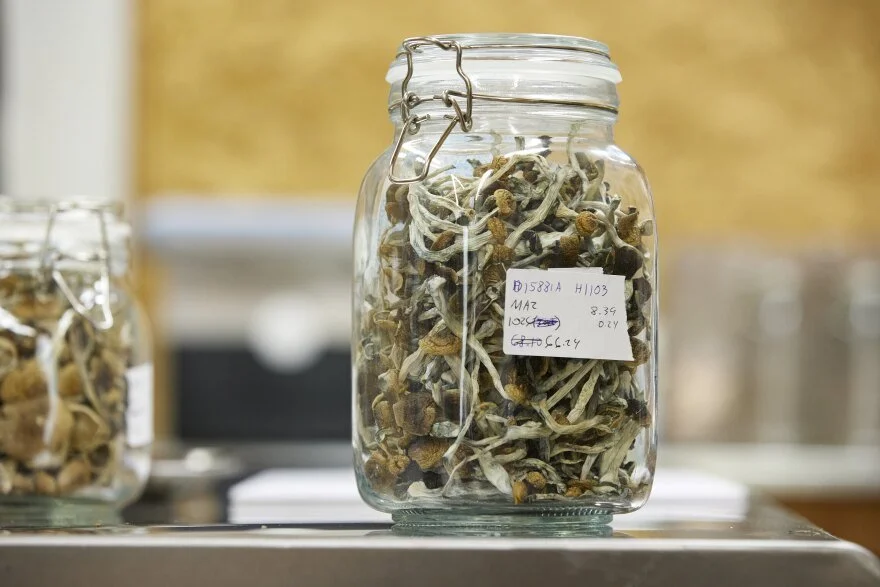
The Maryland Senate has unanimously approved a bill to extend a psychedelics task force through the end of 2027 to develop updated recommendations on expanding therapeutic access to the novel drugs and potentially creating a regulatory framework for broader legalization.
Just days after moving through committee—which came on the same day that the House of Delegates passed that chamber’s version—the full Senate on Thursday approved the legislation from Sen. Brian Feldman (D) in a 44-0 vote.
Both chambers’ proposals are aimed at building upon a current law that created the Maryland Task Force on Responsible Use of Natural Psychedelic Substances.
That panel released an initial final report to state lawmakers last year, with recommendations for the phased implementation of a wide range of reforms to provide legal therapeutic access to substances such as psilocybin.
“The mission was to study the use of natural psychedelic substances and make recommendations regarding changes to state law, policy and practices to create a Maryland natural psychedelic substance access program and to make recommendations to transition from the criminalization of these substances,” Feldman said at a committee hearing earlier this month. “This is a really hard-working group of individuals.”
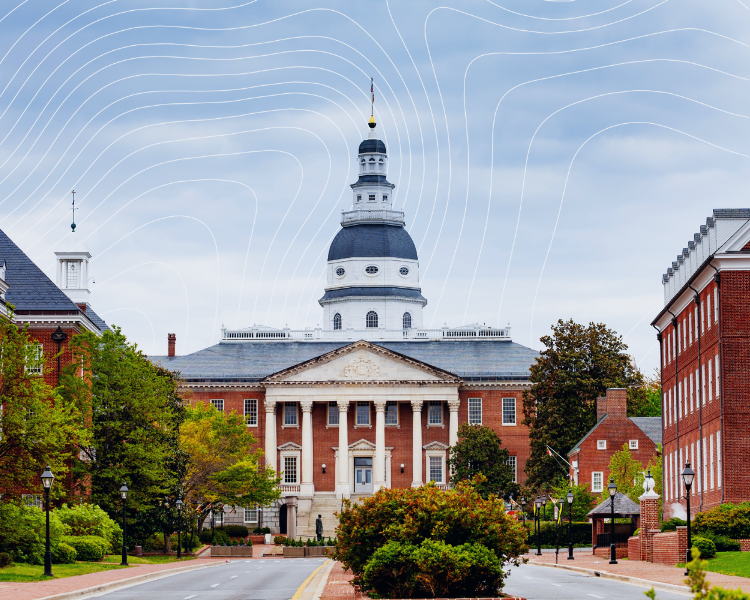
Members of the task force have already advised that it was ultimately recommending a “multi-pathway framework for safe, broad, and equitable access to natural psychedelic substances, with an initial focus on psilocybin.”
The psychedelics task force was formed following Gov. Wes Moore’s (D) signing of a pair of bills into law in 2024. The 17-person body, overseen by the Maryland Cannabis Administration (MCA), was charged with studying how to ensure “broad, equitable and affordable access to psychedelic substances” in the state.
SB 336 and HB 427 would continue that work, maintaining the panel through December 31, 2027. In the interim, the task force would be required to submit an updated report to legislators with additional findings and recommendations by October 31 of this year.
The Senate version of the bill has been amended to add a representative of a historically black college or university to the task force, so the House will need to sign off on that change before the legislation can head to the governor’s desk.
Beyond the extended timeline for the task force to study and develop the report, the current law would not change under the legislation.
The first phase of the plan would be to create an advisory board to establish safety parameters, data monitoring, practice guidelines, licensing protections, public education campaigns, training for facilitators, law enforcement and testing facilities, as well as “immediate restorative justice measures,” the report states.
Under phase two, the state would implement “deprioritization measures” to mitigate the harms of criminalization, provide for supervised medical and adult-use consumption facilities, allow personal cultivation for “permitted individuals” and promote research processes.
Finally, phase three would be contingent on the “demonstrated safety outcomes and provider confidence” based on the prior steps. Should those factors be satisfied, the last phase would lead to a commercial sales program for adults “who maintain an active license to use natural psychedelic substances,” coupled with an evaluation of the state’s “readiness for expanding to additional natural psychedelic substances.”
“Safety and oversight measures ensure responsible and gradual expansion of access while maintaining capacity to identify and respond to emerging issues swiftly,” the report said. “This approach plans for long-term learning and improvement: starting small, utilizing built-in evaluation and accountability mechanisms from the outset, gathering real-world data, and committing to an iterative approach to policymaking.”