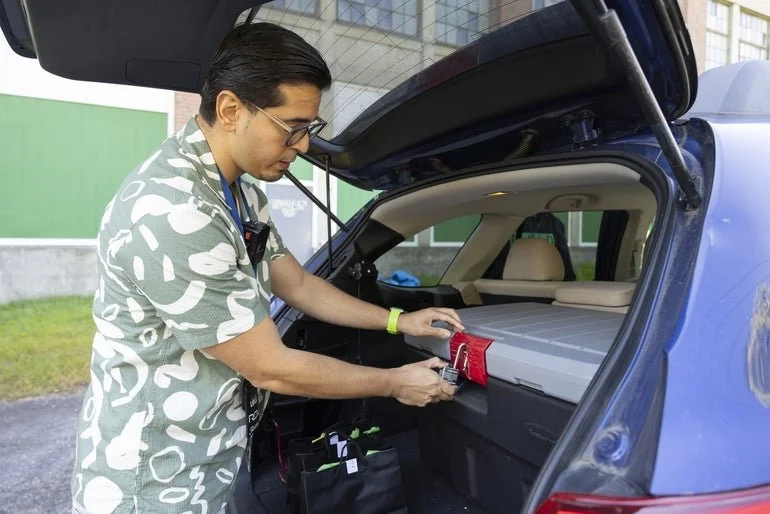
Regulators are eyeing a three-year extension to the period that cannabis delivery licenses are restricted to social equity applicants, but businesses and advocates want a lengthier extension to make up for the program’s shortfalls.
“We’re struggling, we’re fighting to stay open,” Ruben Seyde, founder and CEO of Delivered Inc., said during a public hearing Monday.
Social equity applicants are those who have been disproportionately affected by previous marijuana prohibition and enforcement activities.
If the delivery exclusivity period ends “sooner than later,” Seyde said, then many licensees wouldn’t have an opportunity to stay open past the period’s end “because we haven’t had a chance to solidify our businesses.”
Seyde and other license holders suggested the period be extended for at least another five years to allow businesses to get a better foothold in the industry. The exclusivity period was established in 2022 and is set to expire April 1. In 2025, the Cannabis Control Commission extended the period by one year and in January, the CCC took an initial vote to extend the period by another three years — until April 2029.
With a five-year extension, licensees could reap more benefits of potential regulatory changes, like loosening of some marketing restrictions, which could take years to go into effect, Seyde said.
Kevin Gilnack of the Massachusetts Cannabis Equity Council said the program has been “too short to succeed.” He said there was also a lack of evaluation criteria when the program began.
“Simply put, we’re just very early in the implementation of this license type, and while there’s been some progress, it’s been incomplete and fragile,” he said. “Folks are still struggling to scale and reach sustainability.”

A December report from the University of Massachusetts Donahue Institute suggested the period be extended for another five to seven years, finding the original three-year period was too short for “the effects of the policy and its follow-up interventions to be measurably realized.”
While the program had some successes in encouraging higher rates of participation among disproportionately affected businesses, researchers found the delivery exclusivity policy has not met its intention of achieving full participation and financial feasibility. And delivery licenses are lagging, accounting for 5% of all adult-use licenses in Massachusetts, the report said. Researchers also found several structural, regulatory, cost-related and market issues that should be addressed to ensure the program is successful.